
Rotary Screen Engraving for Textile Printing: How the Process Works
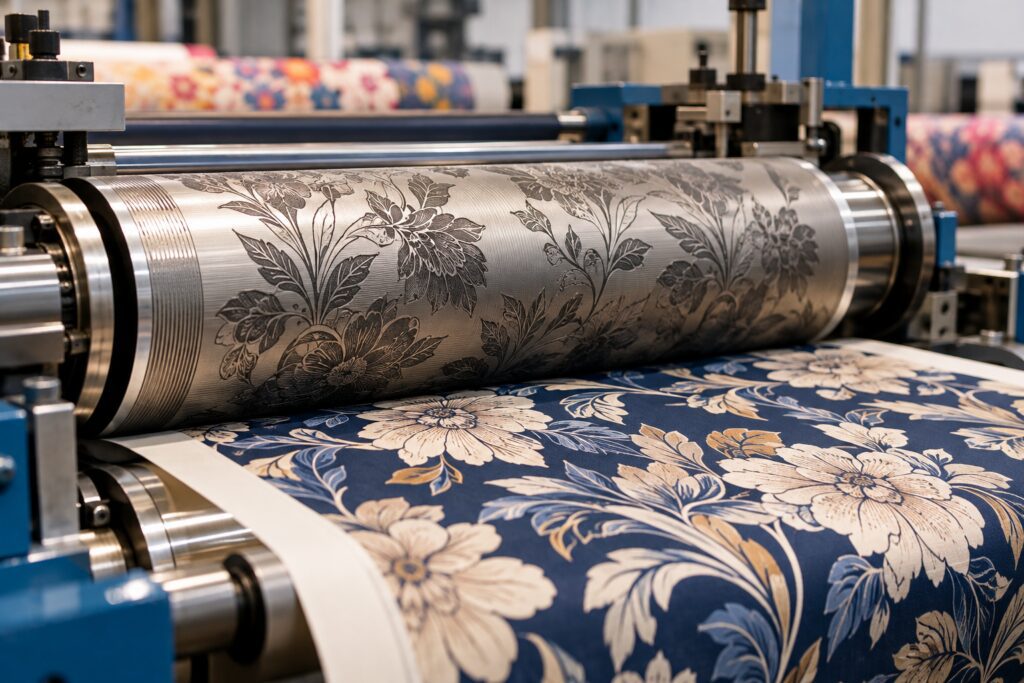
Your textile pattern may look exactly right on a computer screen, but preparing it for fabric production involves additional decisions. Pattern scale, color boundaries, repeat dimensions, all influence how the design translates into print.
At O & N Rotary Screen Engraving in Los Angeles, we offer rotary screen engraving, artwork preparation, and original textile artwork services. Whether you have a completed design or an idea that needs development, your intended pattern and printing requirements give us a useful starting point.
Here, we explain the main elements of rotary screen engraving and the information to share with us when preparing your next textile project.
What Is Rotary Screen Engraving?
Rotary screen engraving creates the pattern of open and closed areas used to transfer a design onto fabric. The open areas allow pigment color to pass through the cylindrical screen, while the closed areas restrict it.
During rotary printing, the screens rotate as fabric moves beneath them. Each screen applies a designated color or component of a multicolor design.
Our rotary screen engraving service includes preparation of artwork and screens for textile printing.
For your project, the important connection is between the design you approve and the equipment that will print it. Both the artwork and the screen specifications need to suit the intended production setup.
What Should You Confirm About Your Artwork?
Confirm the intended size, scale, repeat dimensions, and color arrangement before treating the artwork as final. These details communicate how you want the pattern to appear on the finished textile.
A repeat is the section of a design that reproduces seamlessly across or along the fabric. An image can look balanced on its own but reveal unwanted gaps or visible boundaries when repeated.
When sending us artwork, identify details that must be preserved. Fine outlines, small motifs, and closely adjoining colors may need particular attention at the intended print size.
Tell us whether the file represents an approved design or a direction that is still being developed. Clearly identifying that distinction helps communicate which decisions are settled and which remain open.
What If You Need Help Developing a Pattern?
You can contact us before you have finished the artwork. Our original textile artwork services include a library of patterns and development of new designs.
Bring references that communicate the direction you want, along with notes about what appeals to you. You may like the spacing of a floral pattern, the proportions of a geometric motif, or a particular balance between foreground and background.
Explain the intended application, too. A pattern for apparel may need a different scale or arrangement from one intended for a larger textile surface.
You do not need technical terminology to describe your preferences. Clear examples and specific comments are more useful than assuming a reference image communicates every requirement.
Why Does Color Separation Matter?
Color separation divides the artwork into the components assigned to individual screens. It determines which areas each screen will print and how those areas relate to the complete pattern.
For example, a floral design may include separate components for leaves, petals, flower centers, and a printed background. Each needs clear boundaries and an agreed relationship to neighboring colors.
Where adjoining colors meet, a small overlap called trapping may help accommodate minor registration differences. Registration means the alignment of the separate printed components.
Tell us which overlaps are intentional and whether any areas should remain unprinted. A white space in a digital image could represent white printing paste or the underlying fabric; that distinction should be explicit.
Which Screen Details Should You Provide?
Provide the specifications associated with the printer that will use the screens. Screen dimensions, mesh, printing width, and end-ring requirements are important compatibility details.
Mesh describes the screen structure through which pigment color passes. Its suitability depends on the pattern and production requirements. Choosing a finer mesh is not automatically the right answer for every design.
End rings form the interface between the cylindrical screen and the printing equipment. Their compatibility matters alongside the screen itself.
We recommend obtaining these details from your printing team rather than relying on an informal measurement or a previous order. If the printer changes, tell us before assuming the same specifications still apply.
How Does Engraving Affect the Finished Print?
Engraving translates the prepared pattern into the screen’s printable areas. Accurate artwork and suitable screens support the design, but the finished textile also depends on production conditions.
Our engraving service uses laser engraving. The equipment is one part of the relationship between artwork, screen preparation, and printing.
Fabric characteristics, pigment viscosity, machine settings, and registration can affect coverage and edge definition. Drying and fixation also influence the finished result, depending on the textile and color system.
Share relevant production information with us, particularly when your design contains delicate details or tightly adjoining colors. A digital image communicates the intended pattern, but it does not reproduce every characteristic of printing paste on fabric.
What Should You Clarify About Cost and Timing?
Clarify the artwork requirements, screen specifications, quantity, and destination when discussing the project. These details provide a more useful basis for an inquiry than the pattern image alone.
A new design requiring development involves different work from approved artwork with confirmed production specifications. Color count, revisions, and screen requirements can also affect the scope.
When contacting us, include:
- Artwork or design references.
- Intended pattern scale and repeat dimensions.
- Color count and arrangement.
- Printer and screen specifications.
- Number of screens required.
- Delivery destination and preferred date.
Tell us which dates are firm production commitments and which are preferences. Confirm current availability, timing, and delivery arrangements directly with us before scheduling around an assumed completion date.
If you revise the artwork, clearly identify the current file and explain what changed. This keeps your instructions tied to the version you intend to use.
Frequently Asked Questions
Does every color require a separate rotary screen?
In conventional multicolor rotary printing, each screen applies a designated color or component. The required screen count depends on the prepared design and production arrangement.
Can I send artwork that is not ready for engraving?
Yes. Artwork preparation is part of our offering. Tell us which elements are approved and what still needs attention so your inquiry accurately describes the project.
Can fine lines and small details be reproduced?
Their suitability depends on the intended print size, screen specifications, fabric, and printing conditions. Share the final scale rather than relying only on an enlarged view of the artwork.
What happens if I change printers?
Contact us with the new equipment specifications. Screen and end-ring compatibility should be confirmed rather than assumed.
Can completed screens be shipped outside Los Angeles?
Our service information includes nationwide shipping. Confirm the arrangements for your destination and preferred timing directly with us.
Contact Us About Your Textile Project
Whether you are preparing an established pattern or developing a new design, clear artwork and accurate printing specifications provide a strong starting point.
At O & N Rotary Screen Engraving , we welcome your questions about our engraving and original artwork services.
Contact our team or call (310) 686-1497 for more information about your project.